



Critic’s notebook: Reviews of ‘A Wrinkle in Time,’ Fresno Philharmonic’s season finale
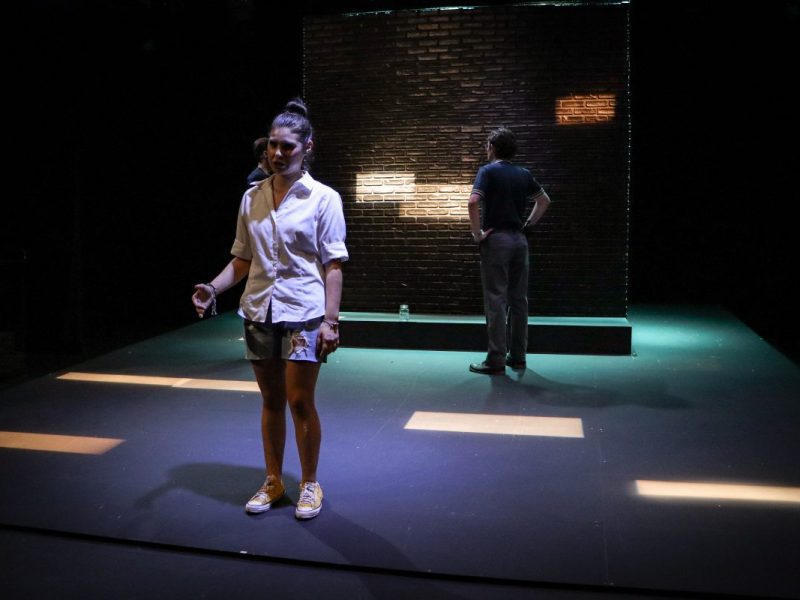
Fresno State’s “A Wrinkle in Time” transforms a small stage into something much bigger

Runs through April 19, Fresno State Lab Theatre
Bringing a story like “A Wrinkle in Time” to the stage is no small task. With its constant shifts through space, time and imagination, the production requires more than just strong acting. Fresno State’s Experimental Theatre Company takes on that challenge by turning a limited space into something that feels much bigger.
The production, directed by Justice (who goes by one name), ran through a full dress rehearsal on Thursday, April 16, offering a look at how the student-led cast and crew bring everything together ahead of opening night. Even in a rehearsal setting, the performance came across as polished and easy to follow.
The Lab School 101 Theatre is a relatively small space, but the production makes the most of it. Instead of trying to replicate large-scale visuals, the show relies on movement, lighting and staging to suggest different worlds. That approach works strongly in its favor. Scenes transition smoothly, the space never feels restrictive and, at times, it’s easy to forget how small the stage actually is.
A complex story like this could easily get confusing or feel messy on stage, but this production handles it extremely well. Even as it moves through different worlds and dimensions, everything still feels believable and easy to follow. It stays engaging the whole way through, without losing the audience in how ambitious the story is.
STORY CONTINUES AFTER SPONSORED CONTENT


A lot of that comes down to the performances at the center of the show.
Emma Buckley, who plays Meg Murry, delivers a grounded and consistent performance throughout. Meg’s emotional journey drives the story and Buckley brings both determination and vulnerability into each scene.
Pacey Nelson’s portrayal of Calvin brings a natural and relaxed presence to the stage, helping balance some of the show’s heavier emotional moments.
Leandro Piña, as Charles Wallace, delivers one of the more distinct performances, giving the character a unique energy that stands out within the ensemble.
The production is completely student-run, with students handling everything from acting to design. You can really see that collaboration in how the show comes together and flows from beginning to end.
Overall, it’s an enjoyable and engaging production that shows how a challenging story can still work on stage with creativity and strong performances.
One matinee performance (2 p.m. Sunday, April 19) remains.
— By Manjot Dhanda
Fresno Philharmonic closes season with a standout performance
Concert performed April 11-12 at Shaghoian Hall
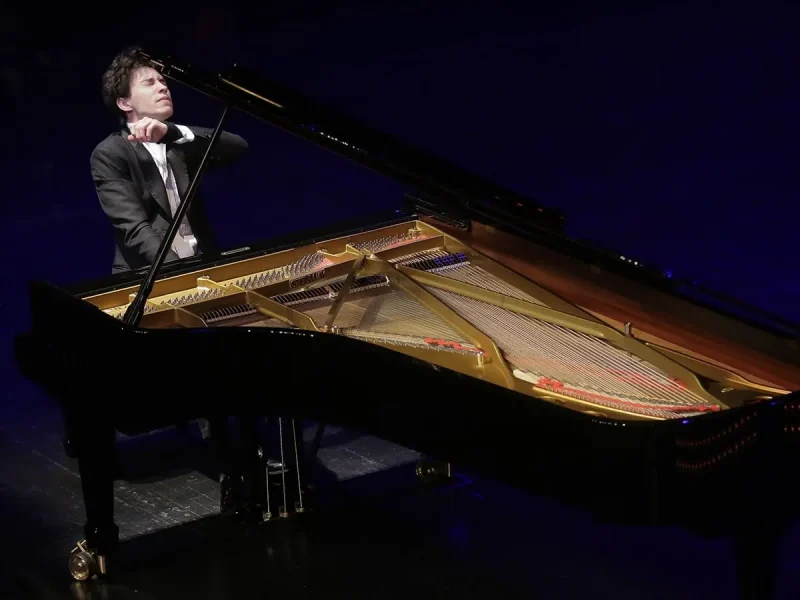
 The Fresno Philharmonic closed its 2025-2026 Masterworks season with a program that balanced precision, energy and pure joy, featuring a standout performance from guest flutist Demarre McGill.
At the April 12 performance at the Shaghoian Concert Hall, the orchestra opened with Damien Geter’s “Sinfonia Americana,” a bold and contemporary piece that immediately set the tone for the rest of the afternoon. Under the direction of Rei Hotoda, the ensemble moved with clarity, allowing the work’s layered textures to come through beautifully.
The program then moved into Kevin Puts’ Flute Concerto, where McGill quickly took center stage. From the moment he stepped into the spotlight, his presence was hard to ignore. He was lively, fully engaged and clearly enjoying himself. The audience picked up on it right away.
People reacted in real time. You could hear small reactions after impressive passages, a bit of laughter during lighter moments and you could see people leaning forward. At the end of each movement, applause came almost immediately, showing just how entranced the crowd was.
The concerto itself moved between fluid lyricism and bursts of intensity. McGill handled both with ease. In quieter passages, his tone felt warm and controlled, filling the hall without losing its intimacy.
In faster sections, his playing carried a lightness and precision that felt airy. The performance was not just technically strong. It felt inviting, drawing the audience into the music regardless of familiarity with the genre.
By the end of the piece, the connection between McGill and the audience was obvious. Applause came quickly and with energy, carrying into the second half.
Following a brief intermission, the Philharmonic returned with Tchaikovsky’s Symphony No. 5, a work known for its emotional depth and sweeping structure. Where the first half leaned into brightness and immediacy, the symphony shifted the tone. The orchestra leaned into darker tones, though the build through each movement at times felt more controlled than truly compelling.
Hotoda’s direction was clear, guiding the group through the shifts in mood while keeping things together. The final movement felt controlled and steady, letting the main themes come through cleanly.
As the concert wrapped up, the afternoon showed the Philharmonic’s range, moving from newer work to a classic. Still, it was McGill’s performance that lingered the most. Not just because of how well he played, but because of how he changed the feel of the entire room.
— By Manjot Dhanda
The Munro Review has no paywall but is financially supported by readers who believe in its non-profit mission of bringing professional arts journalism to the central San Joaquin Valley. You can help by signing up for a monthly recurring paid membership or make a one-time donation of as little as $3. All memberships and donations are tax-deductible.